
How To Know If Your Child Is Ready For Preschool: 10 Sign for Preschool Readiness
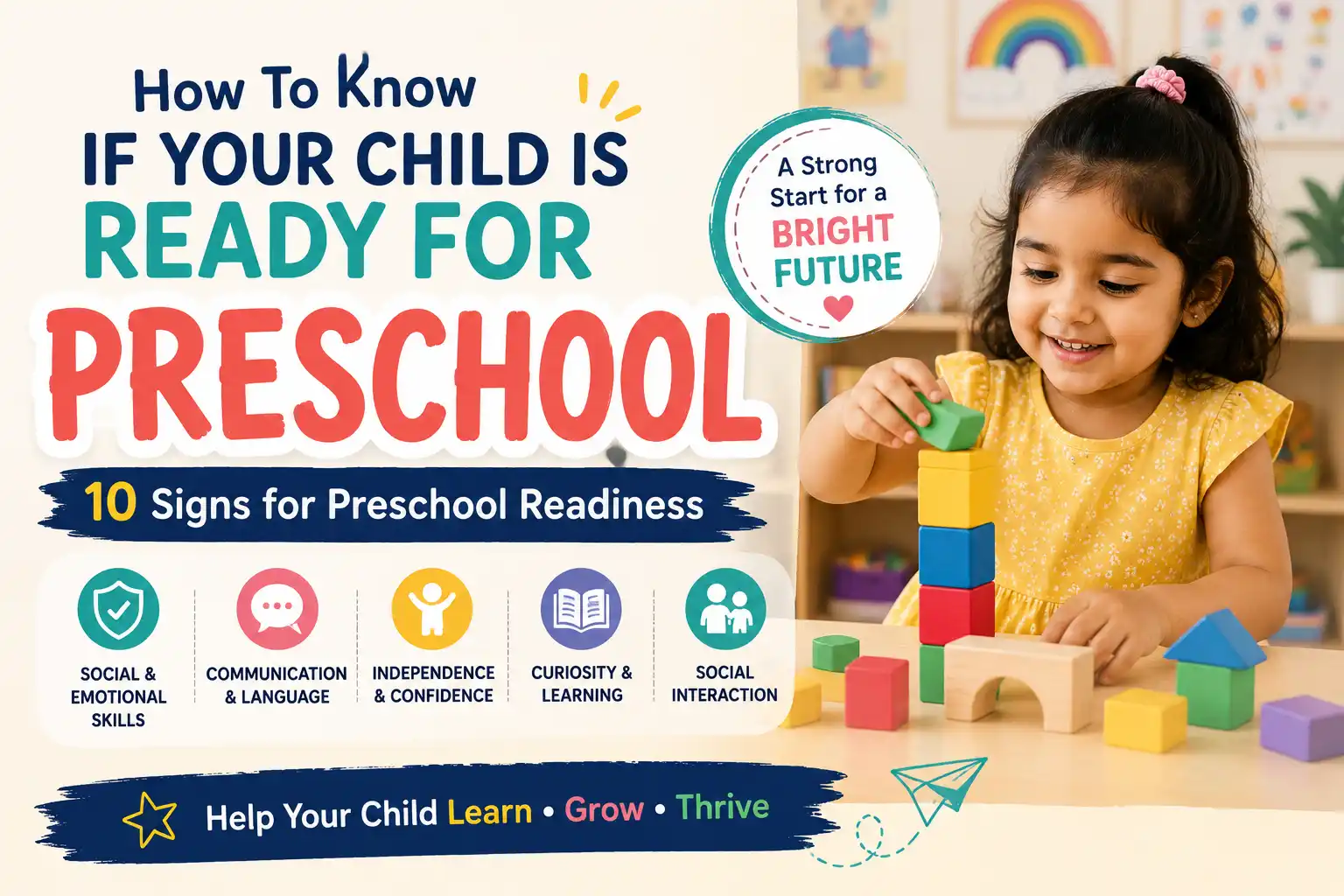
The truth is that every child develops at their own pace. While age is an important factor, preschool readiness is about much more than birthdays. It includes emotional maturity, communication skills, independence and the ability to learn and interact with others.
If you’re considering enrolling your child in a preschool in Dhaka, understanding these readiness signs can help you make a confident decision. In this guide, we’ll explore 7 important signs that suggest your child is ready to begin their early learning journey.
What Is Preschool Readiness?
Preschool readiness refers to a child’s ability to participate comfortably in a preschool environment. It includes a combination of social skills, emotional maturity, communication abilities, independence and curiosity about learning.
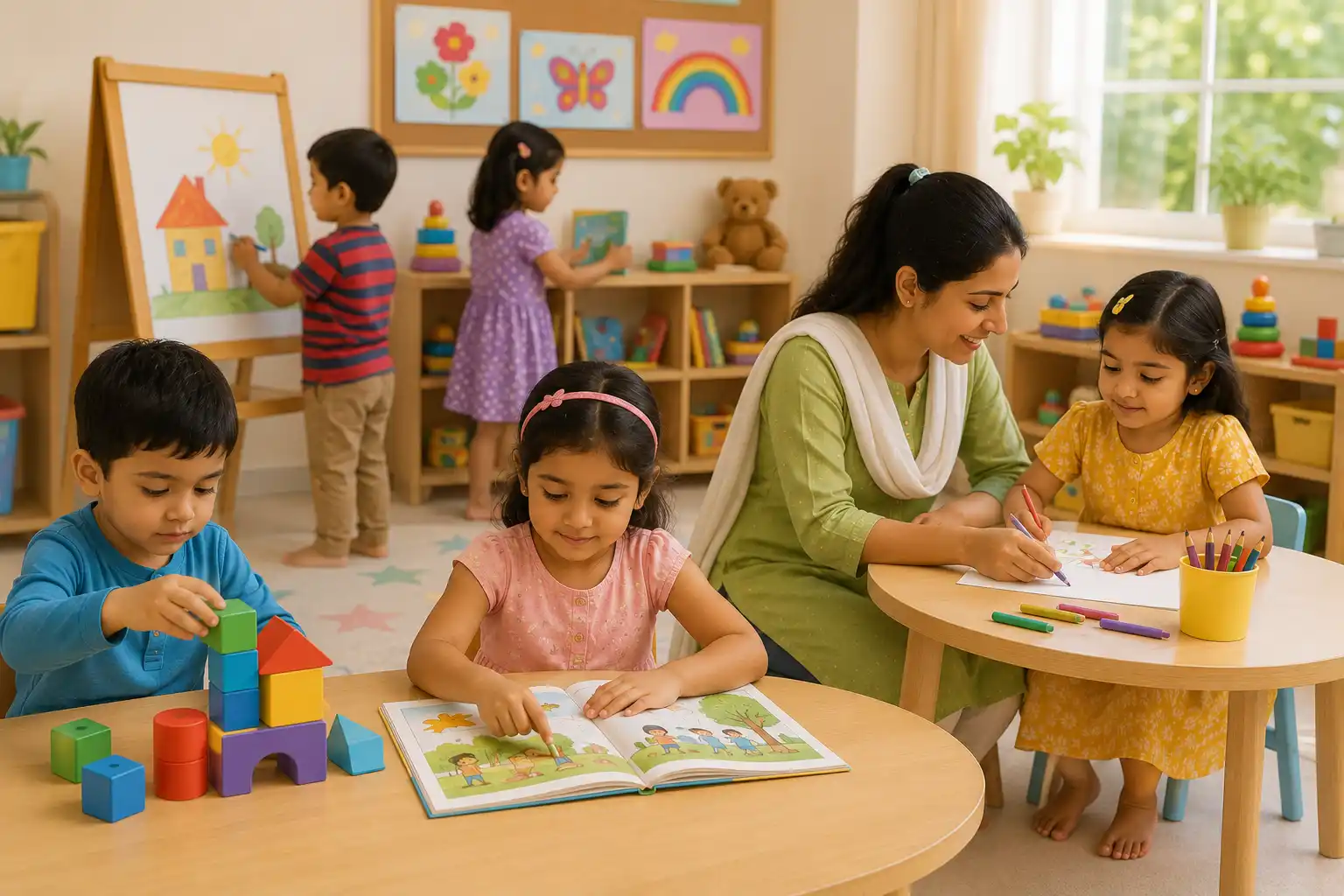
A quality preschool in Dhaka helps children continue developing these skills through play, exploration and structured early learning experiences.
Why Preschool Readiness Matters
Children who demonstrate strong school readiness skills often:
- Feel more confident in new environments
- Adapt to classroom routines more easily
- Participate in group activities
- Build positive relationships with teachers and classmates
- Develop a lifelong love of learning
10 Signs Your Child May Be Ready for Preschool
Every child develops at their own pace, but noticing these signs can help you understand your child’s preschool readiness. From communication and independence to social skills and curiosity, these 10 signs can give you a clearer idea of whether your child is ready to begin their early learning journey.
1. Your Child Can Spend Time Away From You
One of the strongest signs that a child is ready for preschool is their ability to separate from parents or caregivers for short periods of time.
- Comfortable staying with trusted relatives or caregivers
- Adjusts after a short goodbye
- Shows curiosity in new environments
- Willingly participates in activities without a parent nearby
This emotional confidence helps children feel secure as they begin their early learning journey.
2. They Can Communicate Their Basic Needs
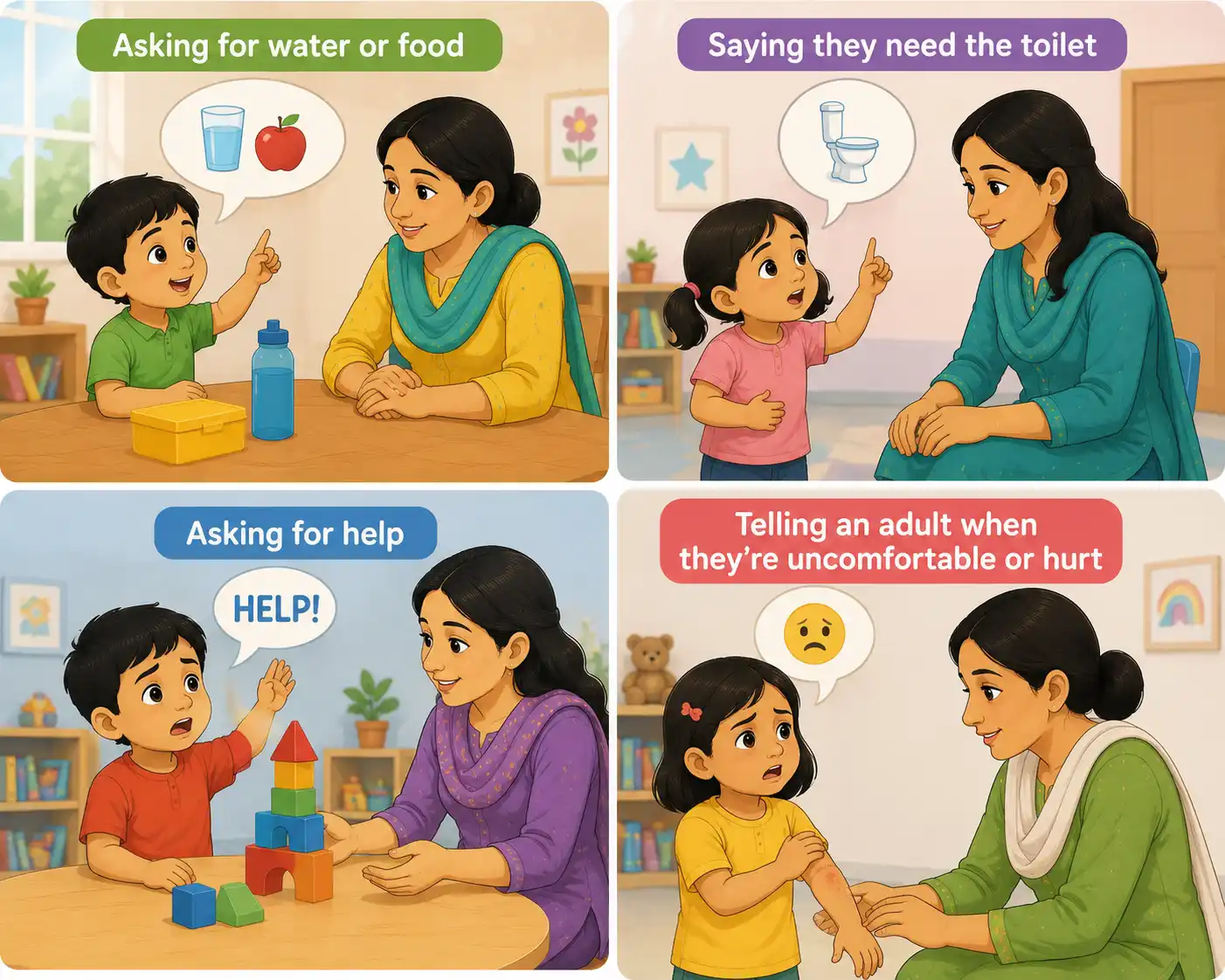
Communication is one of the most important child development milestones because it helps children build confidence and form positive relationships with teachers and peers.
3. They Enjoy Playing With Other Children
- Sharing toys
- Taking turns
- Participating in group games
- Showing interest in making friends
- Joining cooperative activities
Many preschool activities are designed to strengthen these social skills through play and collaboration.
4. They Can Follow Simple Instructions
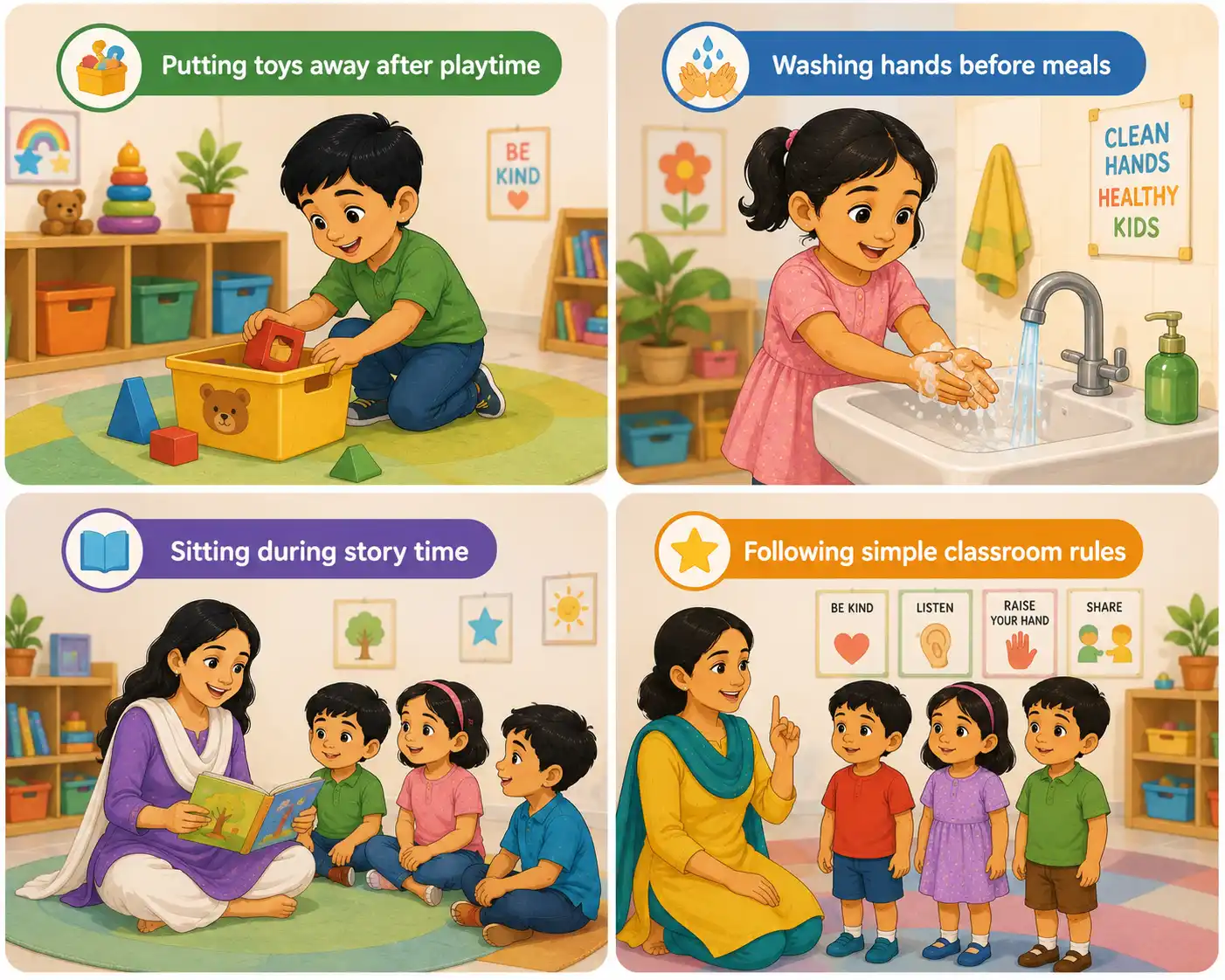
The ability to follow instructions is an important part of school readiness and helps children participate successfully in daily activities.
5. They Show Curiosity and Enjoy Learning
- Ask lots of questions
- Enjoy books and storytelling
- Explore new objects and environments
- Show interest in drawing, building and creating
- Participate enthusiastically in activities
A love for discovery creates a strong foundation for early learning and future academic success.
6. They Are Becoming More Independent
- Eating without assistance
- Washing hands independently
- Putting away toys
- Carrying their own belongings
- Attempting simple self-care tasks
Developing independence is an important part of early childhood development and helps children adjust to new routines more easily.
7. They Have Reached Key Developmental Milestones
Every child develops differently, but reaching common child development milestones often indicates readiness for preschool.
- Speaking in short sentences
- Understanding simple instructions
- Running and climbing confidently
- Using crayons or pencils
- Expressing emotions appropriately
- Engaging in imaginative play
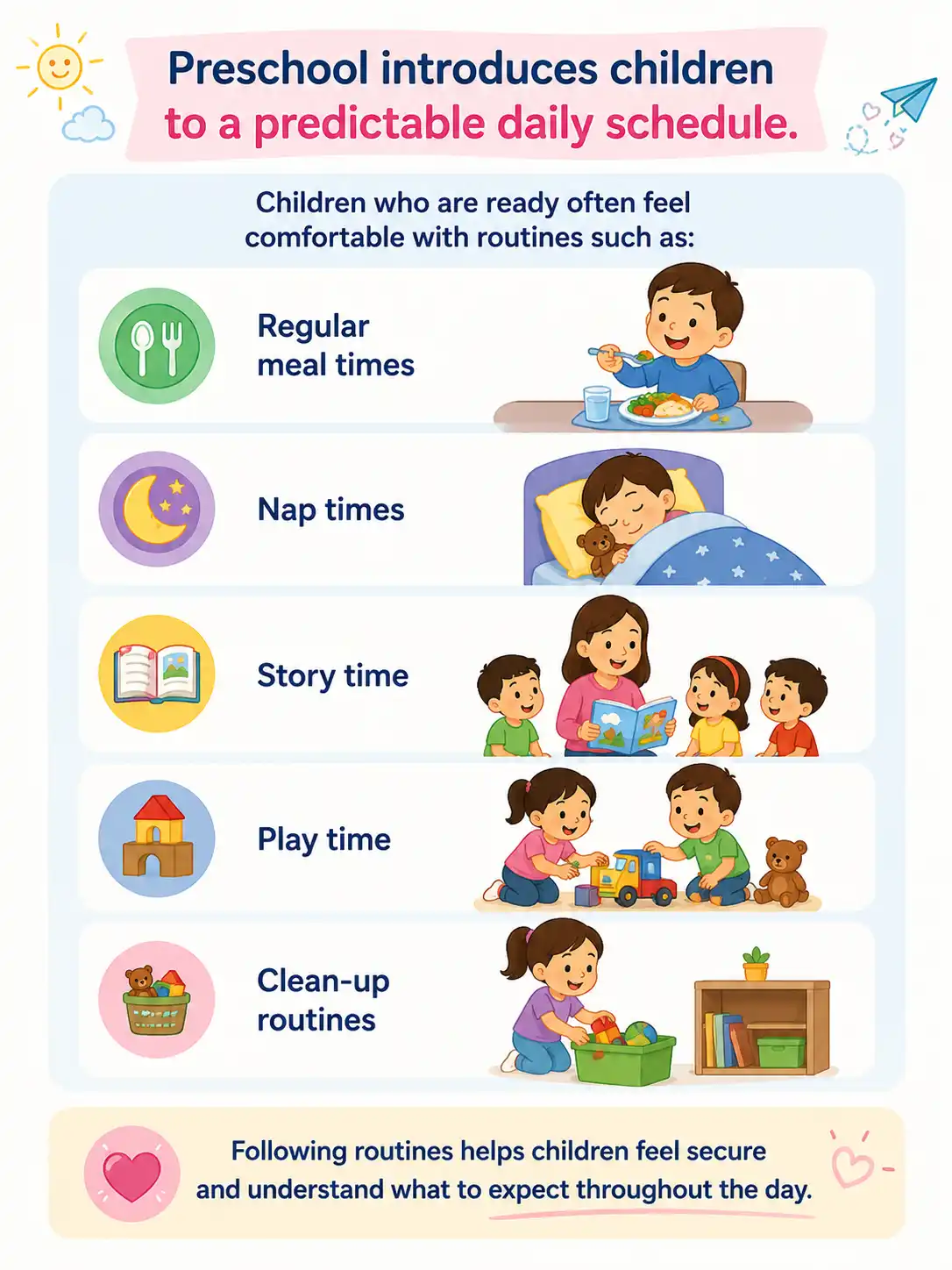
8. They Can Follow a Basic Routine
9. They Can Focus on an Activity for a Short Period
- Listening to a story
- Completing a simple puzzle
- Drawing or colouring
- Building with blocks
This developing attention span supports participation in structured preschool activities and classroom learning experiences.
10. They Show Emotional Readiness
- Expressing emotions appropriately
- Recovering from disappointment
- Accepting guidance from adults
- Showing empathy toward others
- Managing simple conflicts with support
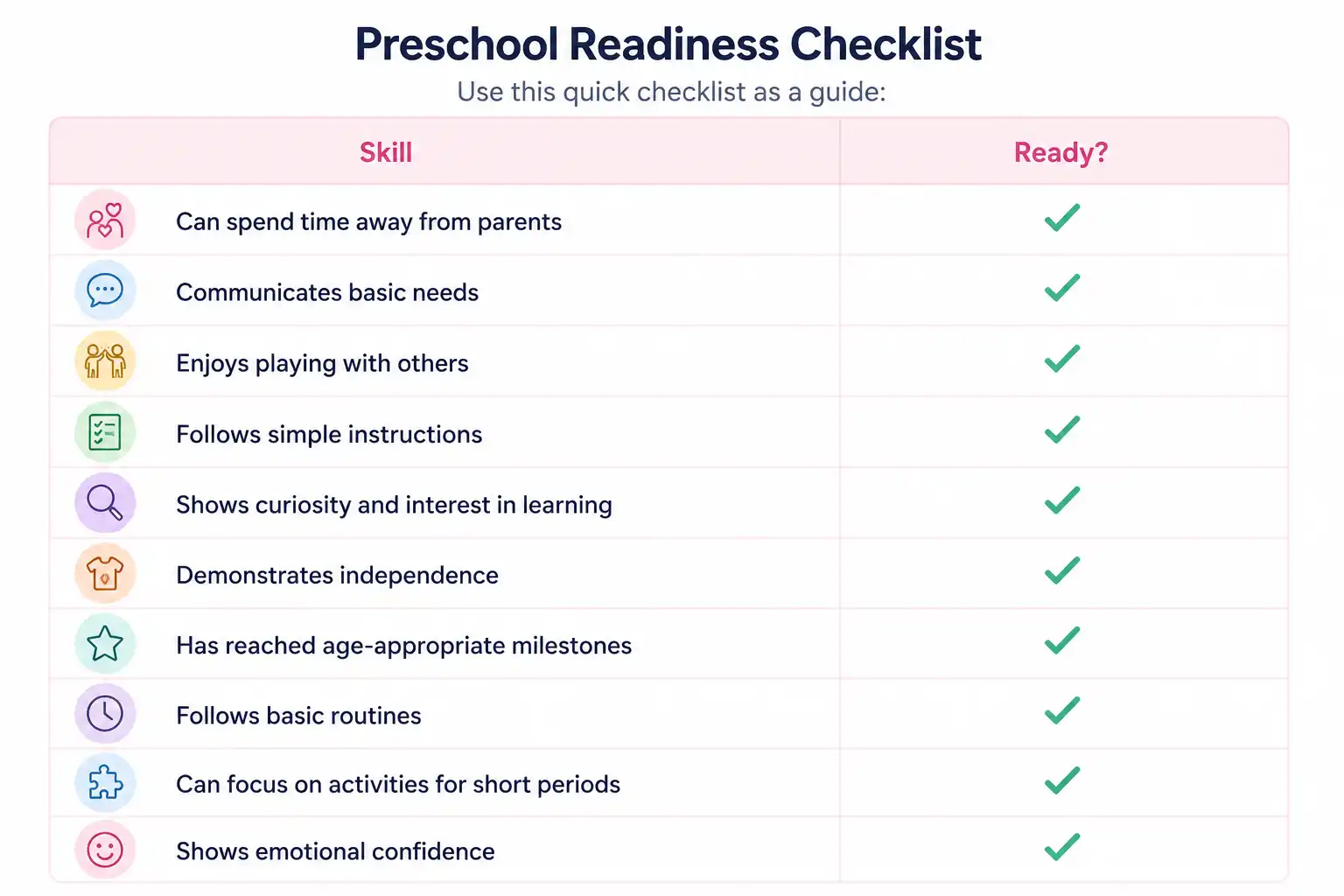
A Simple Preschool Readiness Checklist
How Parents Can Prepare Their Child for Preschool
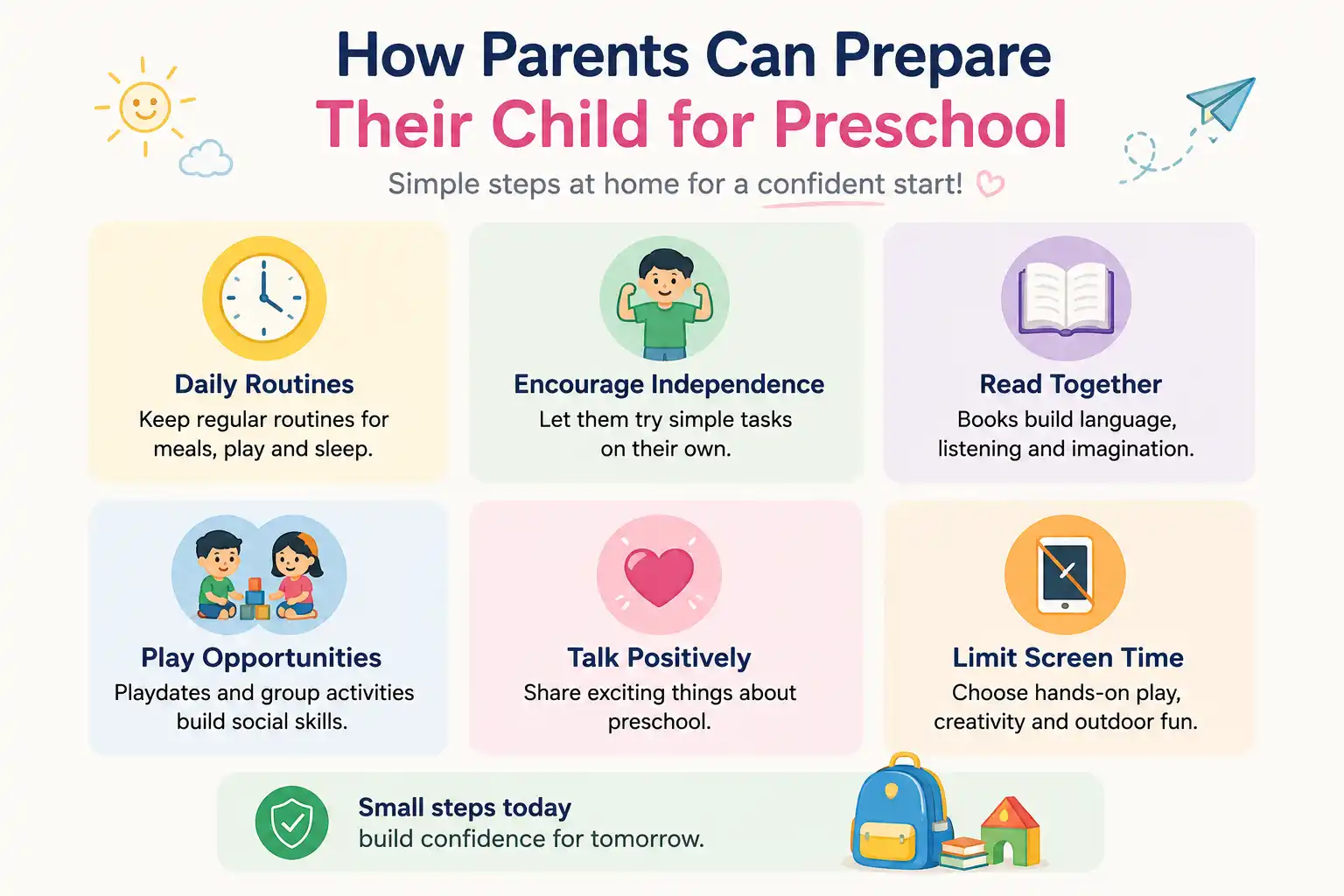
Establish Daily Routines
Encourage Independence
- Putting on shoes
- Washing hands independently
- Tidying up toys
- Eating without assistance
- Packing their own small bag
Read Together Every Day
- Language and vocabulary
- Listening skills
- Communication skills
- Imagination and creativity
- Attention span
- Early literacy skills
Arrange Play Opportunities
- Playdates with friends
- Group games
- Community activities
- Indoor and outdoor play sessions
Talk Positively About Preschool
- Make new friends
- Learn exciting new things
- Enjoy fun classroom activities
- Sing songs and read stories
- Play and explore every day
Limit Screen Time
- Drawing and colouring
- Building blocks
- Puzzles
- Storytelling
- Music and dancing
- Pretend play
- Outdoor exploration
These activities support creativity, problem-solving and overall early childhood development.
Small, consistent steps at home can greatly improve preschool readiness, helping children feel confident, comfortable and excited as they begin their preschool journey.
Why Families Choose Little Bloom Stars
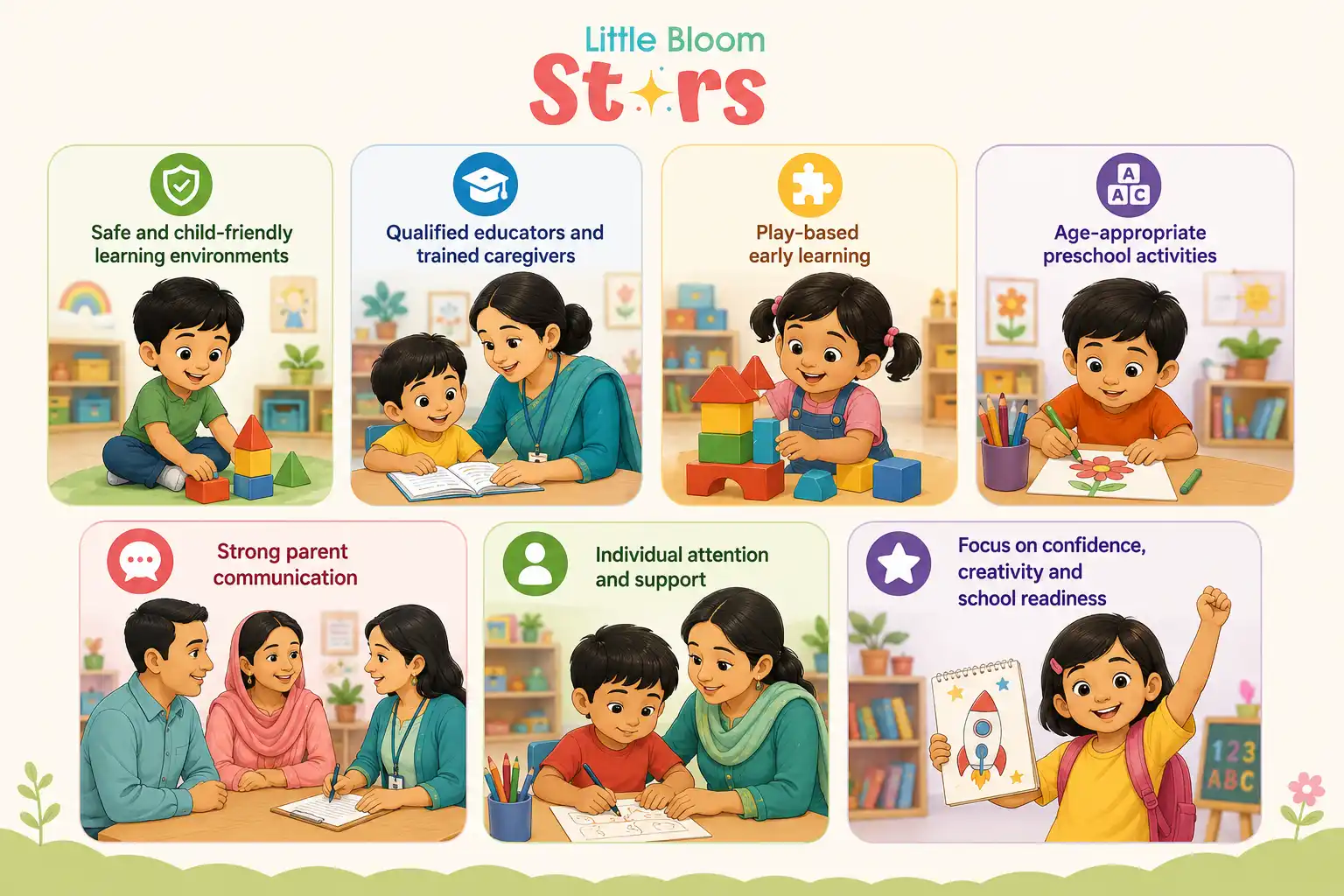
At Little Bloom Stars, children learn in a safe and child-friendly environment with qualified educators and trained caregivers who provide individual attention and support. Our play-based early learning approach includes engaging, age-appropriate preschool activities that nurture confidence and creativity, while strong parent communication helps every child build essential skills for school readiness.
Final Thoughts
Knowing whether your child is ready for preschool isn’t about academic achievement. It’s about emotional confidence, social development, communication skills and a willingness to explore and learn.
Every child develops differently, and there is no perfect timeline. By focusing on preschool readiness, encouraging independence and supporting early childhood development, you can help your child take their first steps into preschool with confidence.
How do I know if my child is ready for preschool?
Signs of being ready for preschool include communicating basic needs, spending time away from parents, following simple instructions, playing with other children, showing curiosity and developing independence.
What is preschool readiness?
Preschool readiness refers to the social, emotional, communication and developmental skills that help a child participate comfortably in a preschool environment.
What is the right preschool age for a child?
There is no single preschool age that works for every child. Readiness depends on the child’s development, independence, communication skills and ability to adjust to routines, not just age.
Does my child need to know letters and numbers before starting preschool?
No. Children do not need strong academic skills before preschool. A quality preschool in Dhaka focuses on developing communication, curiosity, social skills and independence through age-appropriate early learning.
What are the most important preschool readiness skills?
Important preschool readiness skills include communication, following simple instructions, social interaction, emotional regulation, independence, curiosity and the ability to participate in basic routines.
How can parents prepare a child for preschool?
Parents can support school readiness by establishing daily routines, encouraging independence, reading together, arranging play opportunities, limiting screen time and talking positively about preschool.
What child development milestones indicate preschool readiness?
Common child development milestones include speaking in short sentences, understanding simple instructions, using crayons, engaging in imaginative play, expressing emotions and interacting with others.
How can preschool activities help children prepare for school?
Age-appropriate preschool activities such as storytelling, drawing, building blocks, group games and creative play help develop communication, attention, problem-solving, creativity and social skills.
Is it normal for a child to have separation anxiety before preschool?
What if my child is not ready for preschool yet?
Every child develops differently. If your child is still developing important preschool readiness skills, parents can continue practising routines, independence, communication and social interaction at home before starting preschool.
How does Little Bloom Stars support preschool readiness?
Little Bloom Stars supports preschool readiness through play-based early learning, age-appropriate preschool activities, social interaction, creative experiences and a supportive environment that helps children develop confidence and school readiness.