
Preschool vs Daycare: Which Is Right for Your Child?
Choosing the right early learning environment is one of the most important decisions you’ll make as a parent. While both preschool and daycare provide a safe and nurturing environment, they serve different purposes. The right choice depends on your child’s age, your family’s routine and your developmental goals for your child.
If you’re comparing preschool vs daycare or looking for a trusted preschool in Dhaka, this guide will help you understand the key differences, benefits and how to choose the best option for your family.
Preschool vs Daycare: Understanding the Core Difference
At first glance, daycare and preschool may seem similar, but they serve different purposes. A daycare provides safe, flexible childcare for working parents, while a preschool focuses on early childhood education through structured learning and school readiness.
Today, many early learning centres combine both by offering quality childcare alongside age-appropriate preschool programmes, giving children a balanced environment to learn, play and grow.
What Is a Daycare?
Most daycare programmes include:
- Safe and supervised childcare
- Healthy meals and snacks
- Nap and rest time
- Indoor and outdoor play
- Storytelling and music
- Creative activities
- Social interaction with other children
- Daily communication with parents
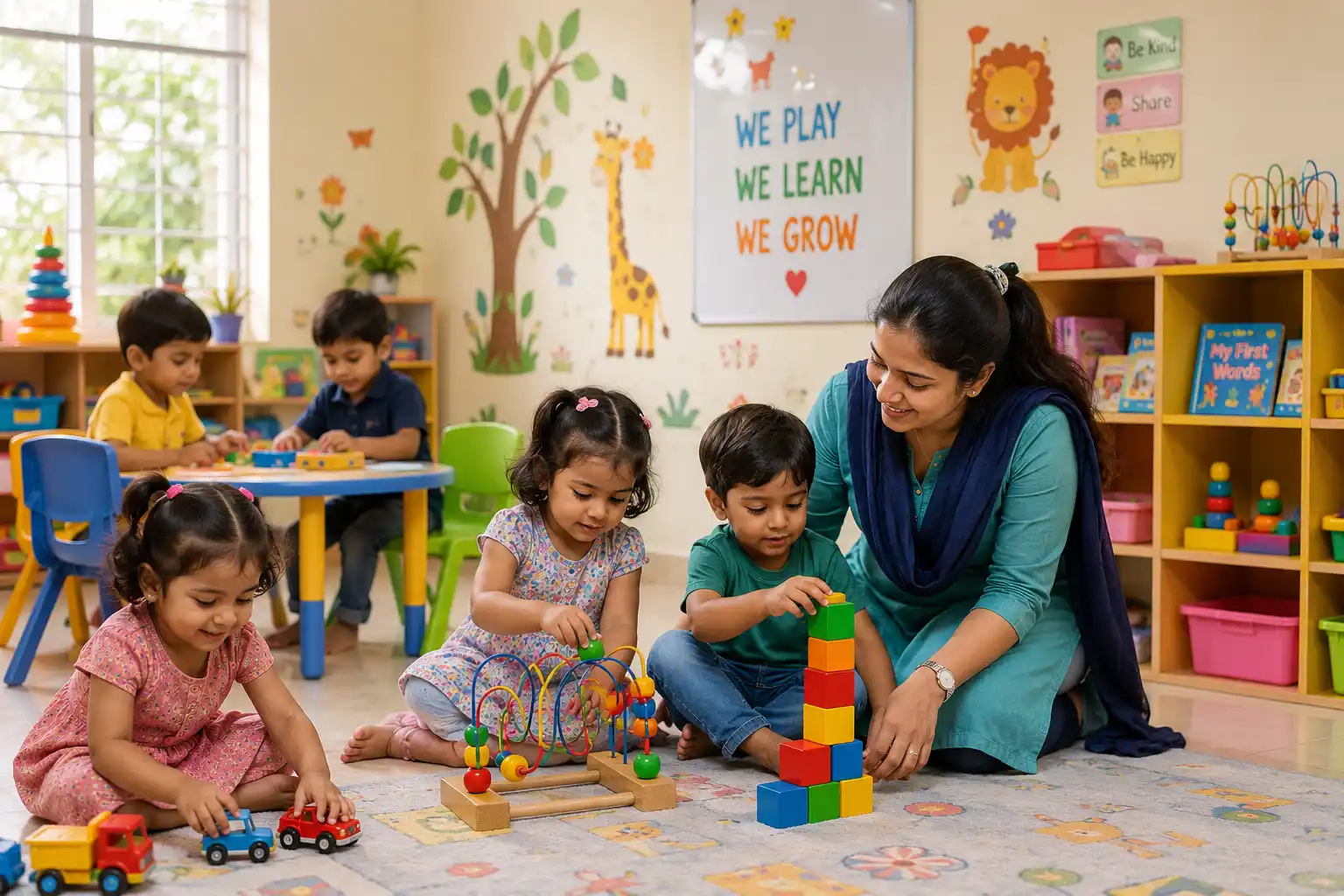
One of the biggest daycare benefits is flexibility. Many centres offer full-day, half-day and after-school options, making them ideal for working families who need dependable childcare throughout the week.
Modern daycare centres also support child development by encouraging communication, emotional security, confidence and independence through age-appropriate activities rather than formal academic instruction.
What is a Preschool?
A preschool is an educational programme designed for children who are getting ready for primary school. Instead of focusing mainly on childcare, preschool places greater emphasis on early childhood education, helping children develop the academic, social and emotional skills they’ll need in a classroom environment.
Most preschool programs welcome children between 2.5 and 6 years of age and follow a structured daily schedule that combines guided learning with creative play.
- Early literacy and language development
- Numbers and counting
- Storytelling
- Art and craft
- Music and movement
- Science exploration
- Outdoor learning
- Group activities
- Problem-solving games
- Creative play
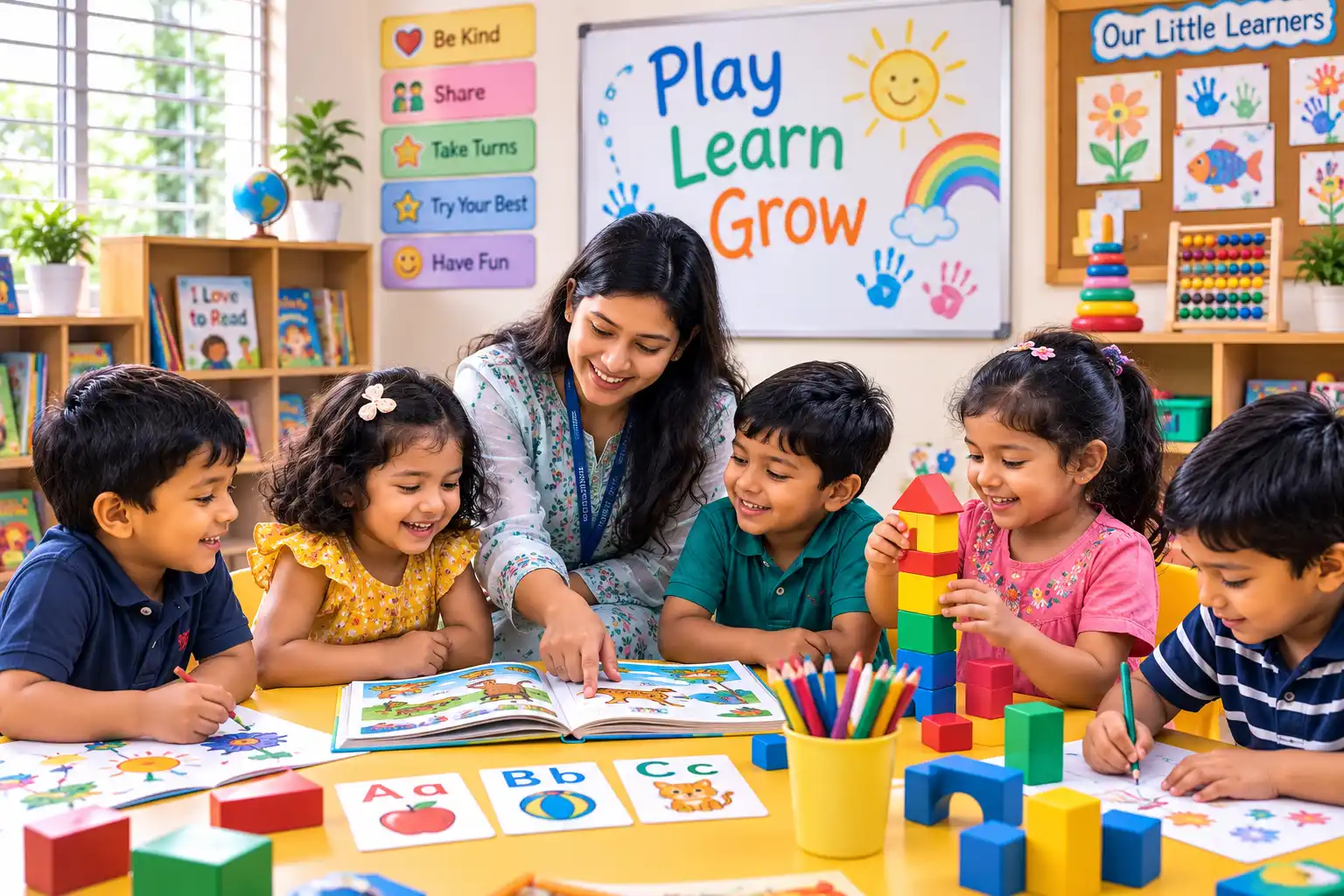
Many parents choose a preschool in Dhaka because it introduces children to classroom routines, encourages teamwork and builds confidence before they enter primary school.
Preschool vs Daycare: Key Differences
Understanding the differences between daycare vs preschool makes it easier to choose the right programme for your child.
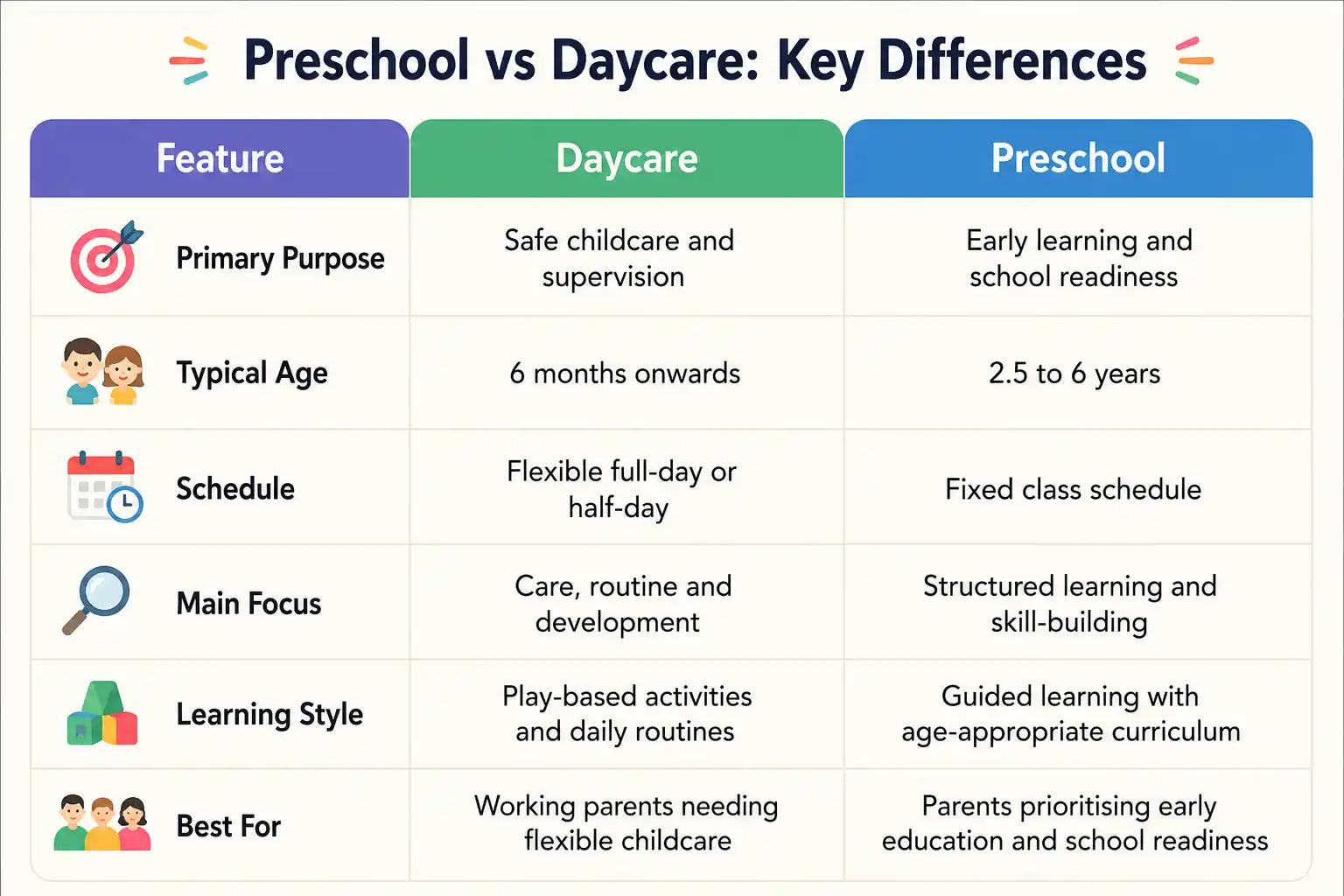
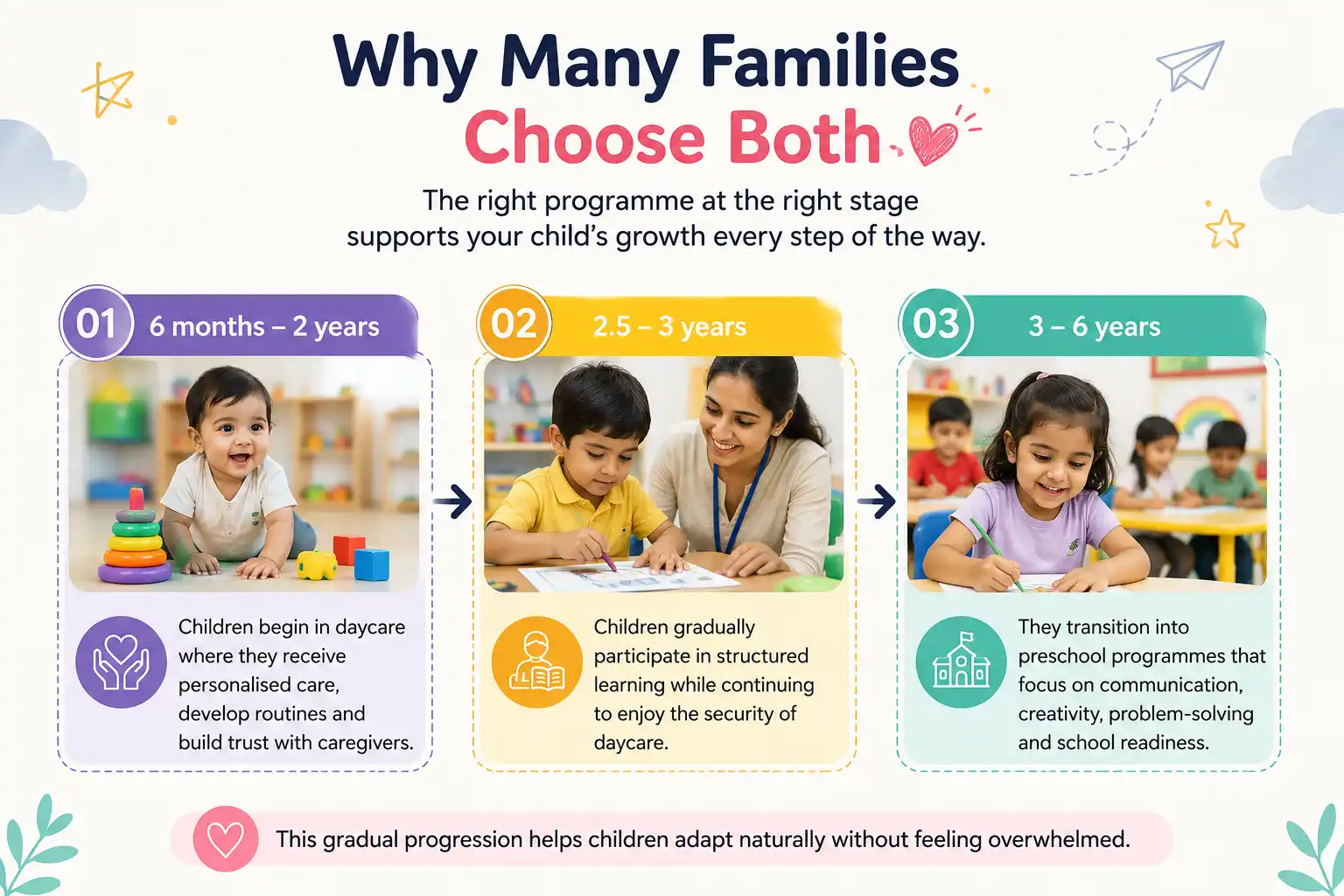
Although these differences are important, many parents discover that they don’t necessarily have to choose one over the other. A growing number of early learning centres now combine daycare with preschool so children receive both nurturing care and structured learning in one familiar environment.
How Early Childhood Education Shapes a Child’s Future
High-quality early childhood education supports every area of development, including:
- Language and communication
- Cognitive development
- Creativity and imagination
- Emotional wellbeing
- Social interaction
- Physical coordination
- Confidence and independence
Benefits of Daycare
Flexible Care for Working Parents
Encourages Social Development
- Sharing toys
- Taking turns
- Solving small conflicts
- Building friendships
- Learning empathy
- Working together during play
Builds Healthy Daily Routines
- Arrival and welcome activities
- Healthy meals and snacks
- Indoor learning
- Outdoor play
- Nap time
- Creative activities
- Story time
Supports Early Child Development
- Communication skills
- Fine motor skills
- Gross motor skills
- Emotional regulation
- Curiosity
- Problem-solving abilities
Benefits of Preschool
Here are some of the most important preschool benefits:
Builds School Readiness
- Following classroom routines
- Listening to instructions
- Participating in group activities
- Completing simple tasks independently
- Developing concentration
Supports Early Childhood Education
- Language development
- Early literacy
- Numeracy
- Creative thinking
- Curiosity
- Observation skills
Improves Communication Skills
- Build vocabulary
- Improve listening skills
- Express emotions
- Ask questions
- Develop confidence while speaking
Encourages Independence
- Organise their belongings
- Wash hands independently
- Follow routines
- Solve simple problems
- Make age-appropriate decisions
Learning Through Play
- Art and crafts
- Building blocks
- Music and movement
- Science exploration
- Storytelling
- Outdoor discovery
- Pretend play
- Sensory activities
Benefits of Starting Preschool Early
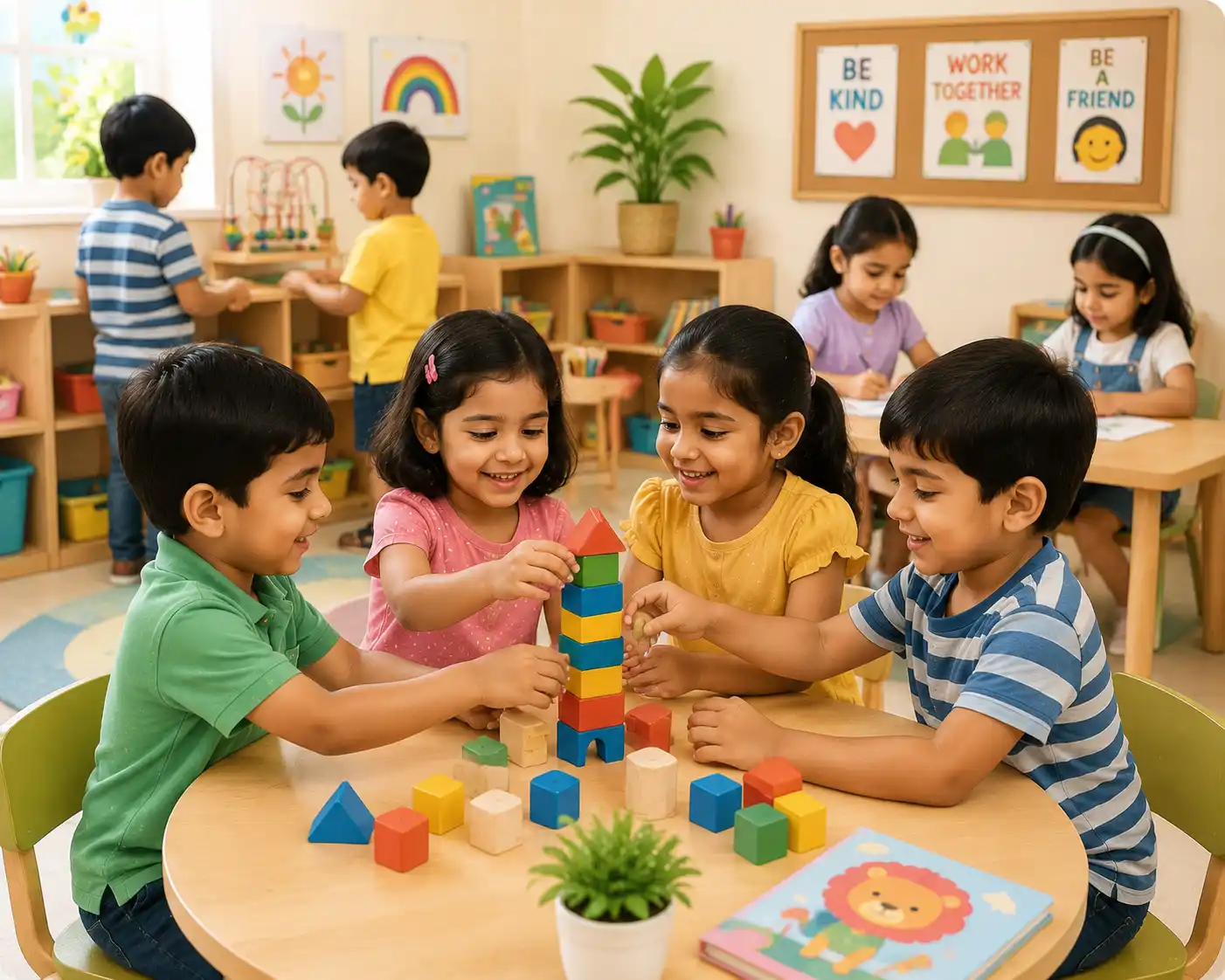
Builds Lifelong Friendships
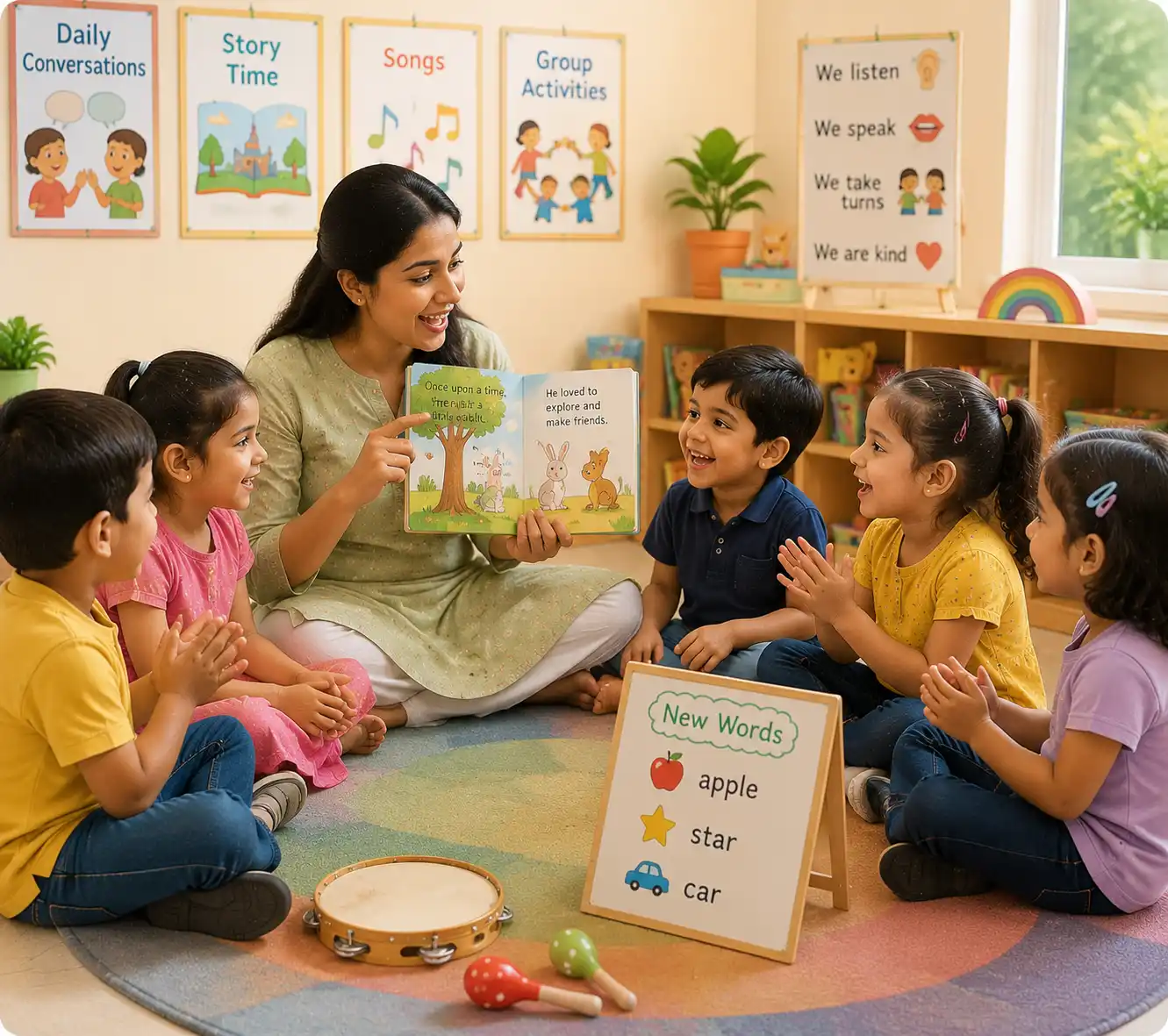
Supports Speech and Language Development
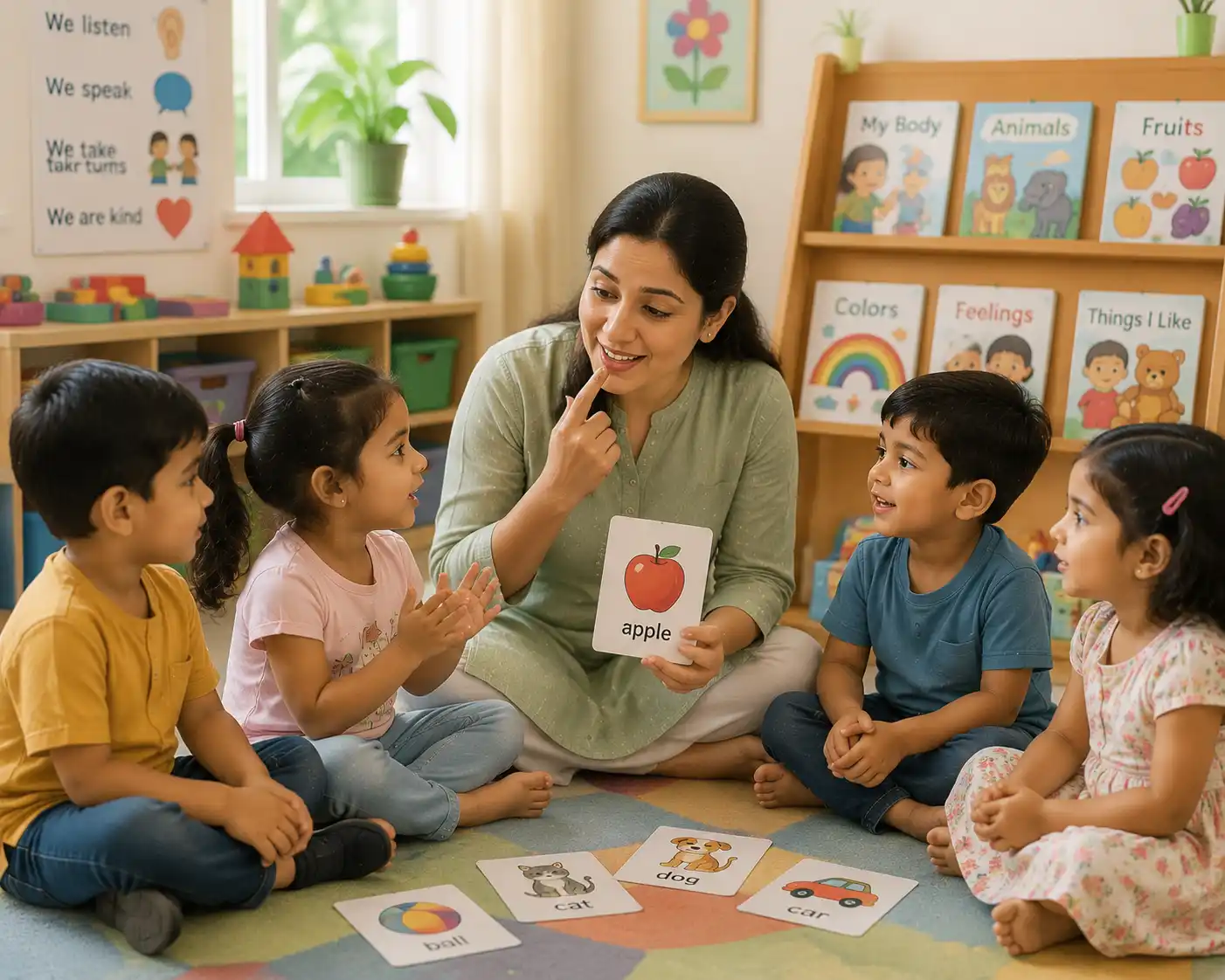
Provides a Supportive Environment for Children with Speech Delays
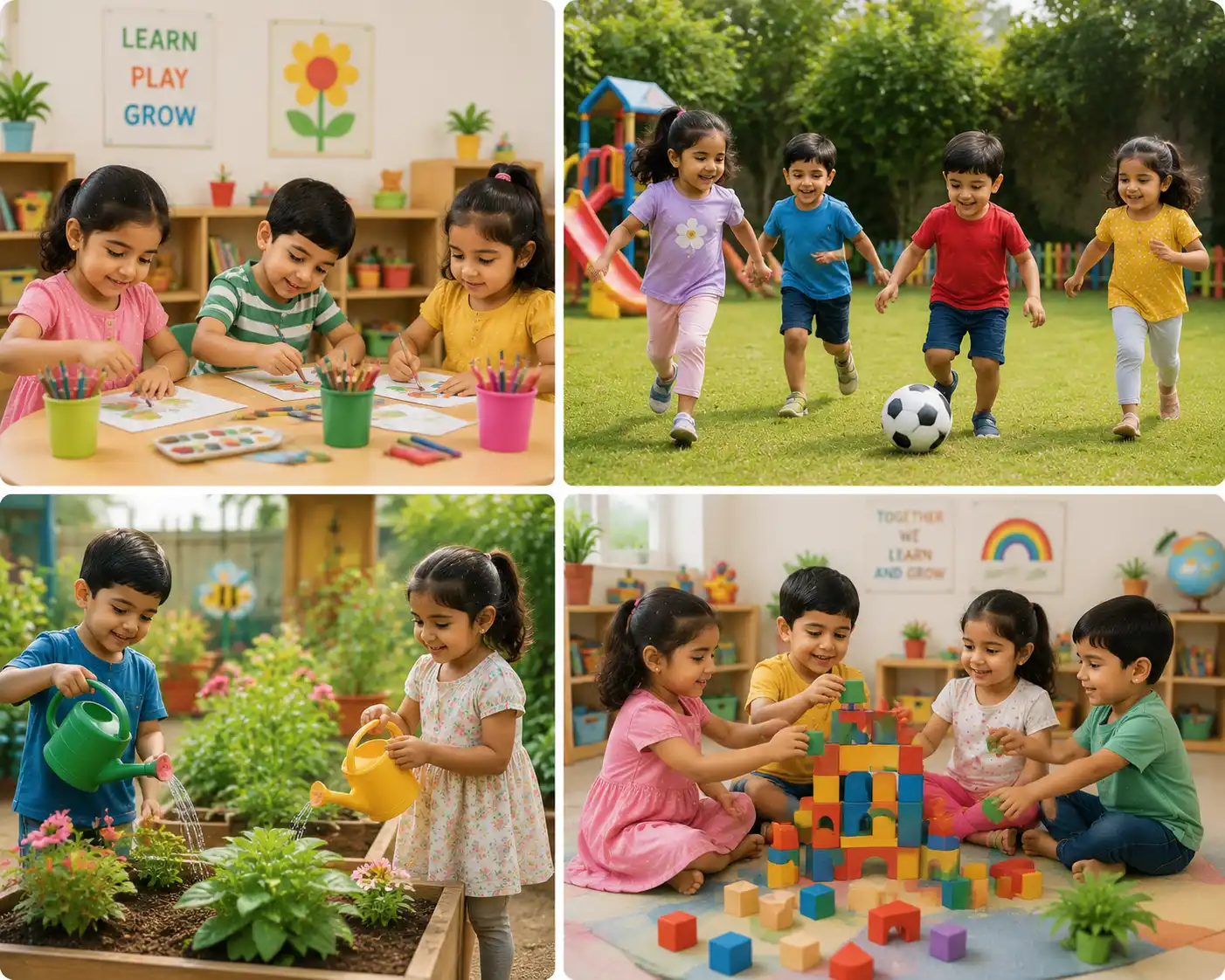
Encourages Healthy Social Interaction and Less Screen Time
Instead of spending long hours on digital devices, children participate in hands-on learning, creative play, outdoor activities and collaborative games. These experiences naturally reduce screen time while supporting healthy early childhood development.
Daycare vs Preschool: Which One Is Better?
Choose Daycare If:
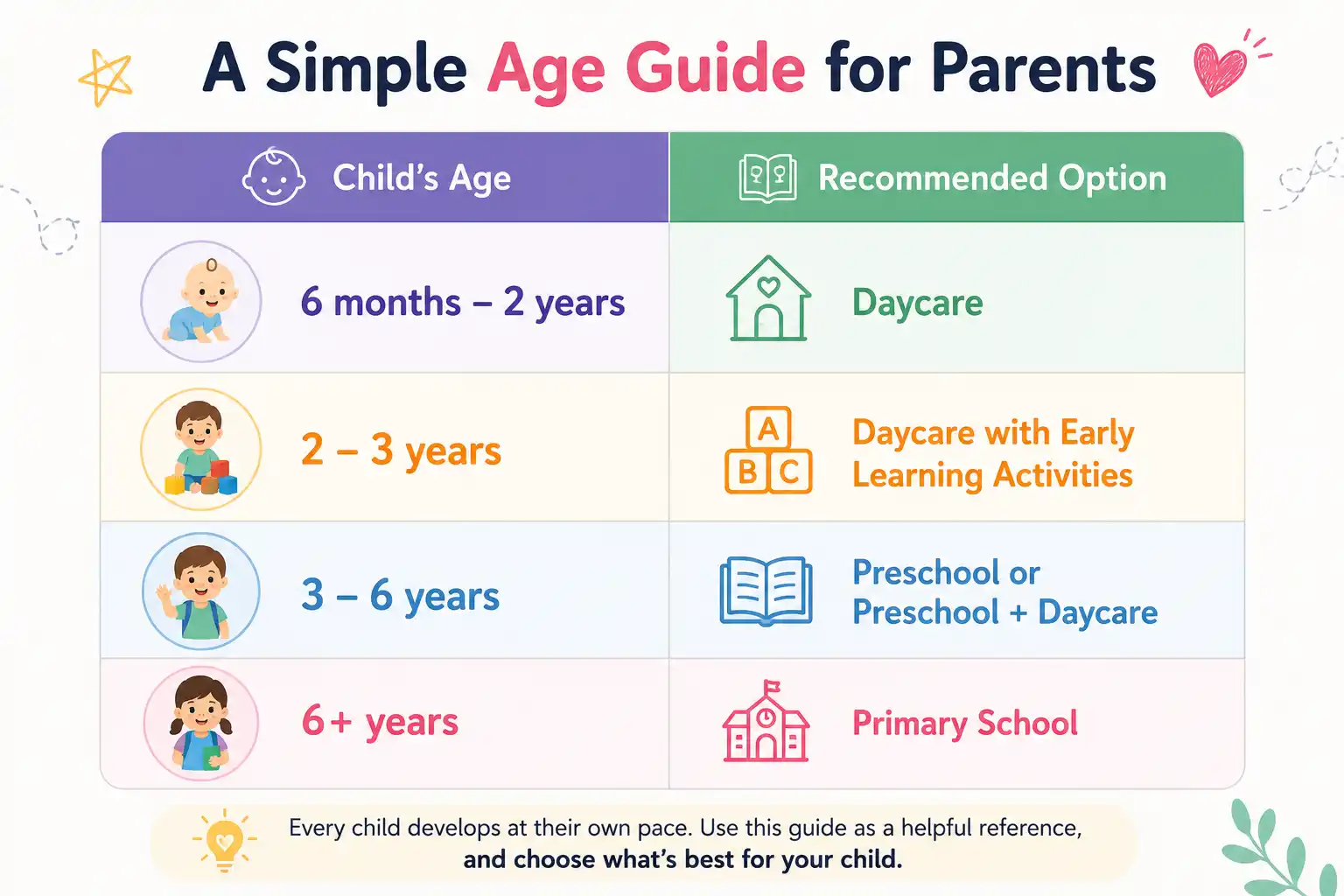
- Your child is under 3 years old
- You need full-day childcare
- You’re a working parent
- Your child benefits from flexible care
- You’re looking for a nurturing daily routine
Choose Preschool If:
- Your child is between 2.5 and 6 years old
- You’re preparing for primary school
- Your child enjoys learning with peers
- You want structured early childhood education
- You want to build school readiness
A Simple Age Guide for Parents
Why Many Families Choose Both
What Should Parents Look for in an Early Learning Centre?
- Is the environment clean, safe and welcoming?
- Are teachers and nannies qualified?
- Is learning balanced with play?
- Does the curriculum support overall child development?
- How does the centre communicate with parents?
- Are children grouped according to their age and developmental stage?
- Are safety policies clearly explained?
- Does the centre encourage creativity and curiosity?
Why Little Bloom Stars Supports Every Stage of Early Learning
A Safe and Nurturing Environment
- Safe and child-friendly classrooms
- Secure entry and exit procedures
- Clean and hygienic learning spaces
- Age-appropriate toys and learning materials
- Indoor and outdoor play areas
- Comfortable nap and rest spaces
- Continuous adult supervision throughout the day
Learning Through Play
- Ask questions
- Solve problems
- Build creativity
- Express themselves
- Work together
- Develop confidence
- Explore new ideas
Qualified Educators and Trained Nannies
- Building trusting relationships
- Supporting emotional wellbeing
- Encouraging independence
- Creating positive learning experiences
- Maintaining high standards of safety and care
Supporting Working Families
- Full-day daycare
- Half-day daycare
- Preschool sessions
- A smooth transition from daycare to preschool
Why Parents Choose Little Bloom Stars
- Safe and secure learning environment
- Qualified educators and trained nannies
- Play-based learning approach
- Age-appropriate activities
- Structured preschool curriculum
- Flexible daycare programmes
- Strong parent communication
- Focus on school readiness
- Clean and child-friendly facilities
- Warm, caring and inclusive atmosphere
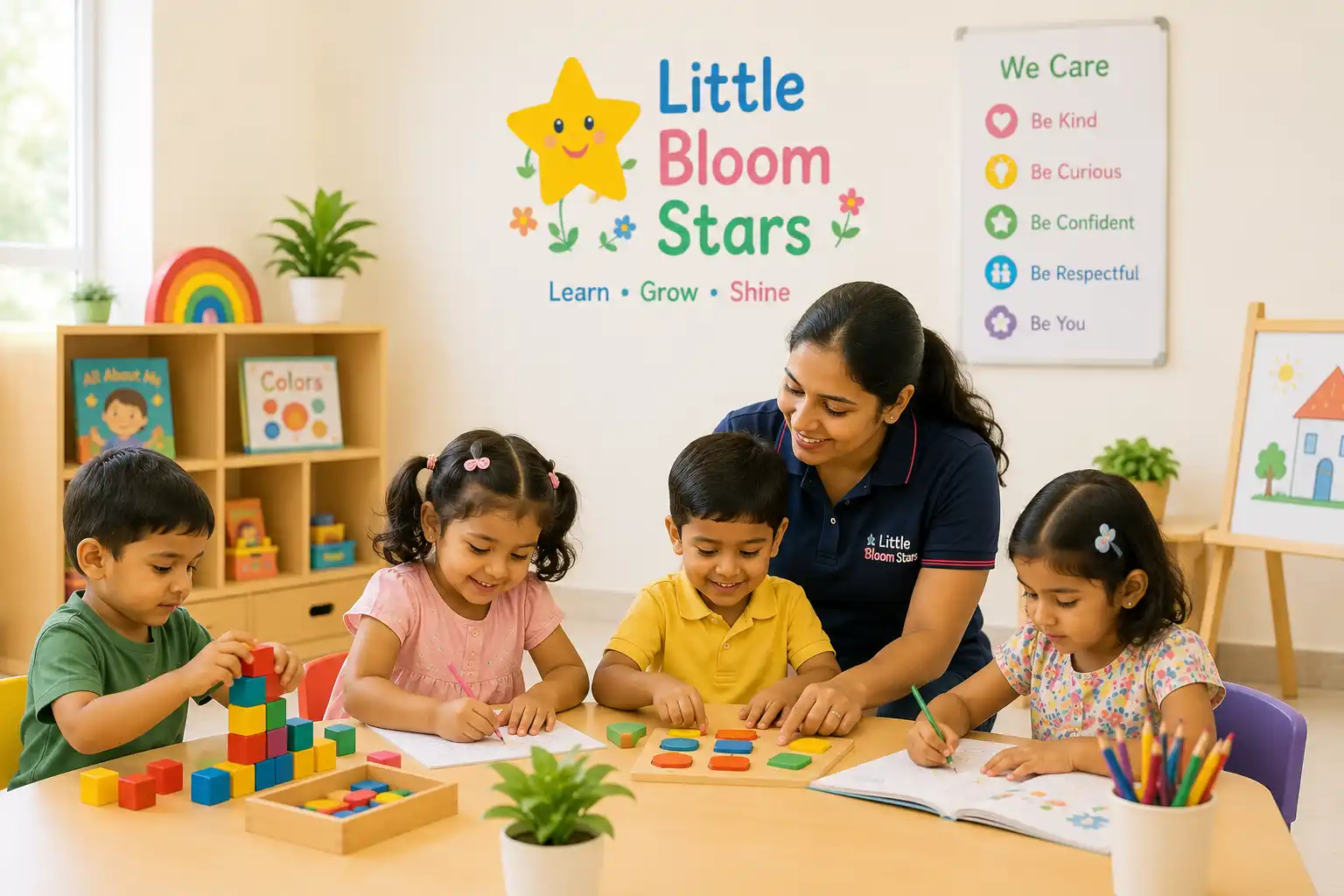
- Tour our learning spaces
- Meet our trained educators and nannies
- Learn about our curriculum
- Explore our daily routine
- Discuss admission options
- Ask questions about your child’s individual needs
- Uttara
- Banani
- Dhanmondi
- Mirpur
Final Thoughts
Choosing between preschool vs daycare depends on your child’s age, developmental needs and your family’s routine. The right environment should provide a balance of safety, care and opportunities to learn and grow. At Little Bloom Stars, we offer both nurturing daycare and structured preschool programmes, helping children build confidence, develop essential skills and enjoy a smooth transition into formal schooling.